
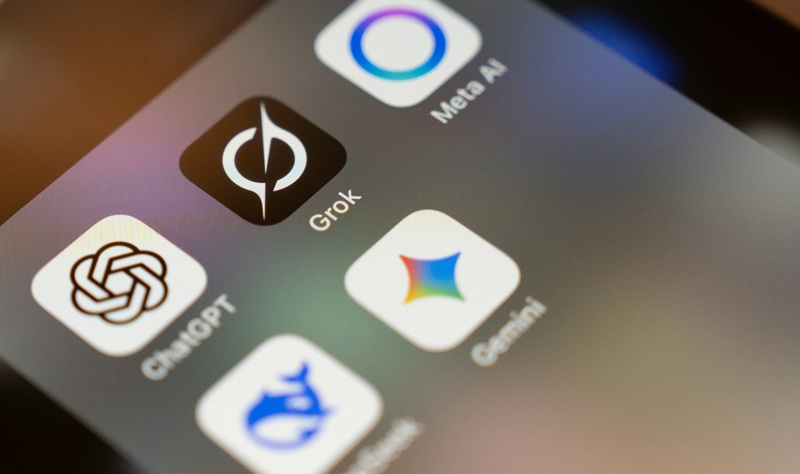
New research by Searchable, the AI search visibility tool, has revealed that the vast majority of local businesses are suffering inaccuracies by the AI chatbots that hundreds of millions of people now turn to for everyday recommendations.
Although ChatGPT and other popular AI chatbots are being adopted at a rapid pace for purchasing decisions, the large language models (LLMs) powering them are still regularly producing hallucinations and misinformation that can steer potential customers away.
Here’s what AI is getting wrong about local businesses, and what they can do about it.
SMEs are far more likely to be misrepresented by AI
Searchable’s research queried ChatGPT, Perplexity and Gemini more than 13,000 times with questions about London-based companies, by comparing SMEs against larger brands of 500 or more employees. Each response was checked against each company’s verified sources, such as Companies House and their official LinkedIn biographies.
Across the board, 93% of companies had at least one basic fact about them hallucinated or missing entirely from an AI chatbot’s answer. The inaccuracies hit smaller businesses harder, with 50% of SMEs receiving at least one fabricated fact about them, compared with 32% of large companies.
AI chatbots confused or misattributed SME brand names five times more often than those of large companies, at 4% versus 0.7%. While they also described an SME’s services accurately only 87% of the time versus 93% for large brands.
This issue is connected to larger companies often having a wider digital footprint. Even a brand with an accurate website and regularly updated owned channels will struggle to surface in LLMs as often as those that have wider third-party validation across the web.
AI’s confidence is unevenly distributed
One of the most misleading elements of an AI hallucination is the confident language they use to present false statements as factual. From Searchable’s analysis, AI models were found to be confidently fabricating facts at a rate of 5% for SMEs compared with 2% for large brands.
However, the chatbots’ tendency to hedge over certain key business facts was also telling. SMEs saw 6.3% of key information completely missing from the memory of AI chatbots, compared to 4.8% for large businesses.
AI chatbots were least likely to be able to accurately provide information about an SME’s size, contact details and founding year.
How to combat AI chatbot inaccuracies
To understand how widespread AI misinformation about your business could be, start by auditing what chatbots currently say about you. Prompt them directly with the same questions a customer would ask.
At a basic level, if your core facts, such as your location, services and contact details, aren’t up to date on your website and in key directories, the risk of LLMs getting you wrong increases considerably.
But your owned channels aren’t the only messenger keeping what LLMs repeat about you correct.
Data from media platform Muckrack shows more than 80% of AI citations come from earned media sources, such as third-party news coverage, analysis and commentary about a brand.
Increase the number of credible third-party sources that reference you with well-structured, consistent messaging, and you can close your AI visibility gap to larger competitors surprisingly fast. This is the result of AI systems associating your brand name with relevant services and topics from authoritative web sources.
To support SMEs in improving their AI discoverability, Searchable is offering businesses a free report that shows their LLM rankings, competitors and recommended fixes.
—
Searchable is an AI performance platform that helps brands understand, track and improve how they appear across AI search. Acting as a growth command centre, it tracks visibility across AI engines like ChatGPT and Claude, and surfaces insights that drive traffic growth.
This is sponsored content by Searchable