

The potential benefit to the UK economy of refugee entrepreneurs is an estimated £2 billion if barriers were dealt with and more tailored support was available.
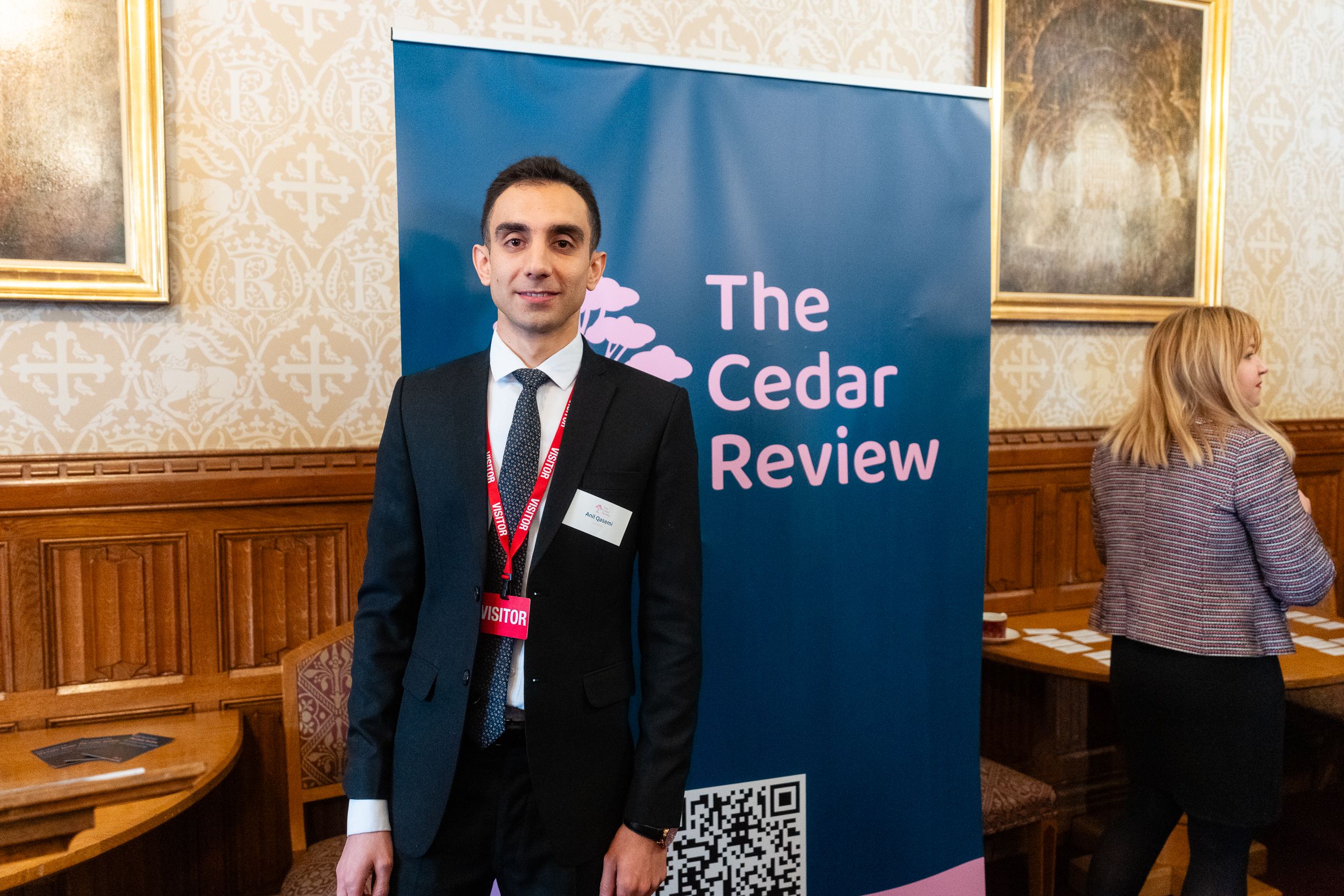
That’s the finding of the Cedar Review, an independent review into refugee entrepreneurship in the UK led by Small Business Britain.
There are around 26,500 business owners from a refugee background in the UK, the report said.
More than half of founders surveyed had run a business before arriving in country, while 79% already employ people or plan to do so soon, which the report said: “highlights the significant entrepreneurial experience and ambition within the refugee community.”
However, the review found that refugee entrepreneurs face several challenges including lengthy restrictions on working and self-employment during the asylum process.
More than a third said uncertainty around their status in the UK was a key barrier when starting a business.
As of March 2026, refugees receive 30 months of leave, renewable, with settlement on the core protection route requiring 20 years.
However, the report said commercial leases run three to five years, funding is contingent on payback periods and employees expect certainty.
Researchers spoke to a founder in Scotland who closed a coffee business rather than employ people she could not promise continuity to.
Access to finance is also a problem. With refugee founders arriving without UK credit histories, “lending systems read that absence as risk rather than as missing data”.
Skylight, which lends to refugee entrepreneurs without credit checks or collateral, reports a 95% repayment rate and a 1.3% write-off rate, better than the wider CDFI sector.
The report found that those who do borrow face a gap in the middle: microloans up to £3,000, venture funding above £50,000, and a “capital desert in between, precisely where a growing business needs equipment, stock and staff”.
The review also highlighted a gap in access to business support. Almost three quarters of refugee entrepreneurs said there was support they needed but they could not access it. Where support was available and accessible, 67% of those who received it found it helpful.
Another challenge is public attitudes to refugees. Ipsos polling for British Future found opinion on immigration more negative in 2025 than it has been for some time.
The study said: “Founders are not operating within polling averages: many described the discourse reaching their business directly.
“This has a wider effect of damaging confidence: A founder who hesitates to identify themselves, price their work at its value, or approach a bank is a founder whose business grows more slowly.
“Confidence is not a soft add-on to entrepreneurship. It is a business input, and one refugee founders are asked to build in public, against a headwind most founders never face.”
The report made the following recommendations:
- Amend immigration rules so permission to work includes self-employment (sole trader registration) and reducing the waiting period to six months.
- Count verified business activity as an economic contribution towards settlement.
- Publish a single, authoritative plain-language guide to starting a business in the UK.
- Reform credit and identity checks to accept alternative evidence of creditworthiness.
- Build an accessible, coordinated funding ladder (spanning micro-grants to growth funding).
- Open access to markets and supply chains through social value procurement.
- Build a navigated, 12-month end-to-end support pathway with mentoring from people with shared experience.
- Teach the language of business alongside core ESOL modules.
Michelle Ovens, CEO and founder of Small Business Britain and co-chair of the Cedar Review, said:
“Too often, discussion around refugees focus on need, support and integration. While these are undoubtedly important, they tell only part of the story. Refugees are also entrepreneurs, employers, innovators and creators of opportunity.
“The Cedar Review underlines the drive and potential refugee entrepreneurs have but the evidence presented questions whether our systems are designed to recognise that.”
Anil Qasemi, founder of Hatopia and co-chair of the Cedar Review, said:
“Just over four years ago, I arrived in the UK from Afghanistan after the fall of Kabul, and today I run a small business that sells to customers in more than 30 countries. When I first started building hatopia alongside my day job, I had no idea where to begin and my confidence was low, but I knew I had a business concept worth pursuing.
“Someone took a chance on me, and through mentorship and accessing an interest-free loan, my business began to grow.
“The Cedar Review shows what refugee entrepreneurs can achieve when they are given the opportunity and supported by systems that work for them, not against them. I’m excited to see what positive change we can achieve as the work of the Cedar Review continues.”