
The government’s next Budget, and the first for Andy Burnham’s premiership, will be on Wednesday 28 October.
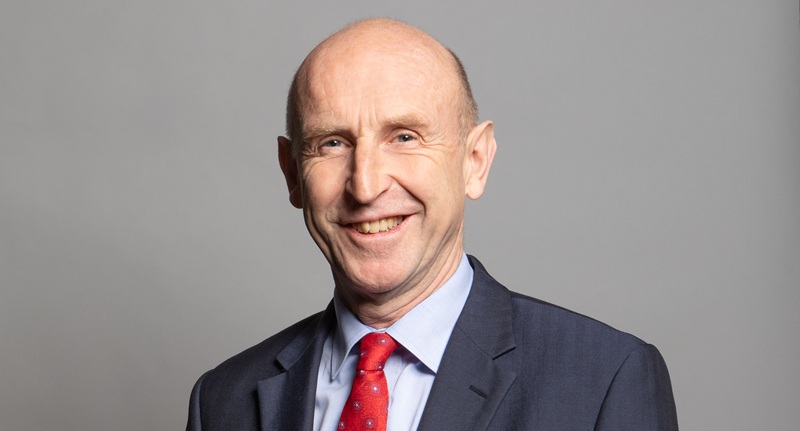
It will also be John Healey’s first as chancellor after he was appointed to the role by the new prime minister.
In a video message, he said the Budget will be one that “moves money and power out of Westminster, and into every postcode around Britain”.
He added: “It will be built on fiscal discipline. It will meet our fiscal rules. It’ll give businesses and families some of the stability they need to plan for the future.”
Also in the video message, Healey referred to the measures already announced since Burnham became prime minister.
They include a 20% cut in business rates for pubs and music venues in England, single bus fares in England capped at £2, removing 5% VAT on energy bills, parents on benefits being given up to £4,500 a year to encourage their children to start apprenticeships, giving regional mayors a share of income tax to spend locally and social care reform.
Healey said: “We have backed British jobs, British skills and British businesses, and we have provided just a bit of breathing-space for those families and businesses that feel so squeezed, that feel without hope.”
Despite the government’s promises to ease the cost-of-living for consumers and support struggling businesses, Healey will face significant challenges to fund the recently announced measures and any further actions amid warnings that the Middle East war will continue to squeeze public finances.
Andy Burnham has said he is committed to the Labour Party’s fiscal rules on spending and borrowing as well as the 2024 general election manifesto pledge to not increase income tax, VAT or national insurance contributions.
In a letter to Commons Treasury Committee chairwoman Dame Meg Hillier announcing the date of the Budget, the chancellor said: “Fiscal credibility is the bedrock of economic stability and national security.
“That is why we will abide by the fiscal rules, ensuring we retain a buffer to protect us against uncertainty and the impact of instability in the Middle East.”
Among the details the government said will be unveiled at the 2026 Budget is more information on mayors retaining a greater share of locally generated revenues, starting with business rates next spring, with income tax added later.
More follows