
 that it says will cut costs and red tape.)
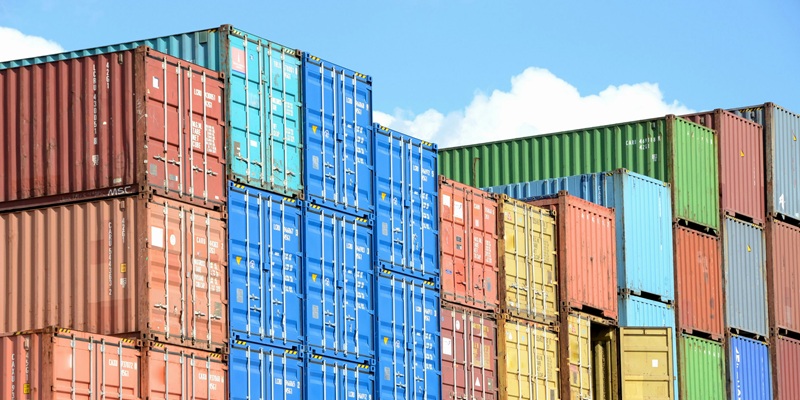
The government is urging businesses to take steps to prepare for the UK’s new agri-food deal with the European Union that it says will reduce costs and red tape.
According to the Department for Rural Affairs (Defra), the value of exports of food and agricultural products to the EU have fallen by 22% since 2018 with British food and farming businesses dealing with “mountains of paperwork, unnecessary delays and spiralling costs of current arrangements”.
The government said it is working toward a mid-2027 start date for a new sanitary and phytosanitary (SPS) agreement. It covers regulations on food safety, animal health, plant health and animal welfare products traded between the UK and EU.
Costs to businesses expected to be removed by the deal include:
- Export health certificates costing up to £200 for agri-food goods.
- Phytosanitary certificates costing approximately £25 alongside inspection fees of at least £127.60.
- Organic certificates of inspection, required for the export of organic lamb and cheese, costing on average £35.
- Port Health Authority (PHA) identity check fees on meat and dairy exports adding £31 per load on average.
- Sampling which can add approximately £1,200 to a cheese load, £1,400 to a salmon shipment, £440 to a load of apples, and £1,200 to a beef load.
While negotiations for the agreement continue, the government said businesses can take practical steps to get ready including engaging with trade bodies, industry associations and supply chains and responding to a new call for information on what support is needed.
Environment secretary Emma Reynolds said:
“We are resetting our relationship with the EU, our closest and largest trading partner, to make trade easier and cheaper, and deliver tangible benefits for British businesses.
“We are talking about real businesses, real employers: the Somerset cheesemaker with export trade halved, the Welsh shellfish trader turning down orders because their catch isn’t fresh by the time the paperwork is done, the Scottish farmer who can no longer sell seed potatoes to customers they’ve supplied for decades.
“By reducing delays and unnecessary paperwork, this deal will help keep shelves stocked, protect jobs and put downward pressure on food price inflation for families across the country.
“British businesses deserve better and we will work hand-in-hand with them to ensure this deal is a success.”
Alex Freudmann, managing director of M&S Food, said:
“It’s good to see that the government’s EU reset is moving forward, with a renewed commitment to implementation in mid-2027.
“The sooner this deal is done the better – it will remove unnecessary bureaucracy between the EU and the UK, easing cost pressures on serving our customers across Great Britain, Northern Ireland and the Republic of Ireland. It will also give much needed relief to British farmers in exporting meat, fruit and veg into Europe.
“It’s now time for all businesses to prepare for this shift so we can make the most of the opportunity – we’ll be getting to work with our suppliers right away.”
To receive the latest information on negotiations, implementation timelines, and details of guidance and support available, businesses can sign up for Defra email alerts.