
The UK’s active business population has reached a record 5.66 million companies, but the number of new incorporations slowed in the first half of the year as changes to Companies House rules and fees had an impact.
More than 400,000 businesses launched between January and June 2026, taking the active company population to 5.66 million, the report by NatWest and Beauhurst said.
However, the 402,000 companies incorporated during that period was a 5.7% decrease on the first half of 2025 and a second consecutive half-year decline.
Incorporations peaked at 219,000 in the third quarter of 2025, the highest quarterly total since Q2 2024, before easing through the seasonal cycle to 195,000 in Q2 2026.
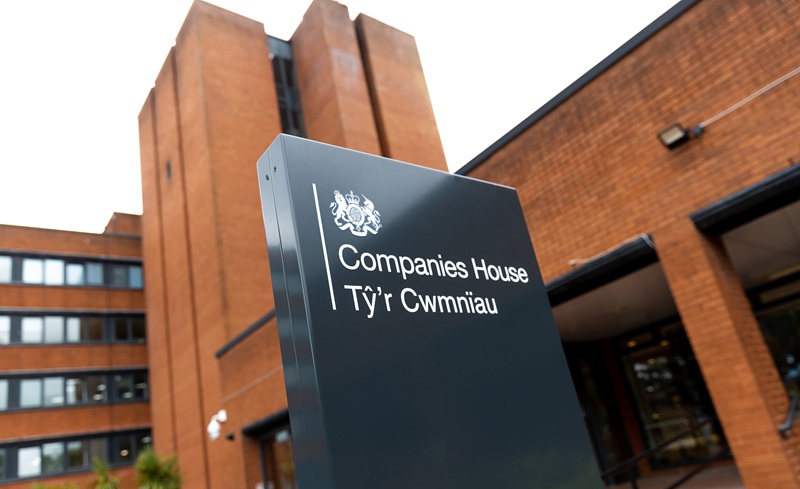
The report said two regulatory changes are likely to have influenced the figures: mandatory identity verification for directors and persons with significant control introduced in November 2025 and the doubling of Companies House incorporation fees from February 2026.
“Identity verification is likely to have contributed more significantly to the slowdown than higher incorporation fees,” the report said.
“It is too early to determine whether this is a temporary adjustment or a more sustained trend. It is also unclear whether lower incorporation numbers reflect fewer businesses being created or more entrepreneurs, including solopreneurs, choosing not to incorporate.”
The study added that although higher Companies House fees and the identification rules “may cause friction in the short term”, in the longer term “the changes are intended to raise the bar for incorporation, filtering out low-intent fraudulent registrations in favour of companies with greater longevity”.
The report highlighted a changing industry profile of new company incorporations. Application software firms rose 40% year-on-year to 28,100, overtaking restaurants and property development to become the UK’s most common industry for new companies.
Broader digital and technologies company incorporations by year (H1 2022-H1 2026) grew 38% to 28,900, alongside increased investment in AI and technology.
By contrast, incorporations in more traditional consumer-facing sectors declined, with clothing down 26% year-on-year and restaurants, pubs, cafés and takeaways falling by 10%, as they faced cost pressures from rising business rates and employer National Insurance contributions.
Regionally, Scotland recorded the strongest growth in start-up activity, with incorporations rising 3.73% compared with H2 2025. The East Midlands was next with growth of 3.30%, while London remained home to most incporations, accounting for more than 136,000 new companies.