
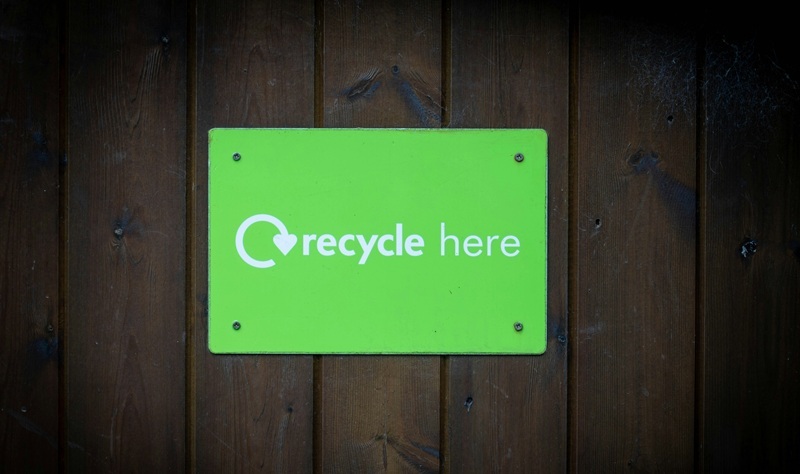
Time is ticking for the UK’s smallest enterprises. While larger corporations have been navigating the UK’s Simpler Recycling regulations since March 2025, the grace period for SMEs is rapidly drawing to a close.
As of 31st March 2027, the legislative landscape will fundamentally shift: every business in the UK, regardless of its size, will be legally required to separate dry recyclable materials – including paper, cardboard, plastics, glass, and metal cans – from general waste. For the more than one million UK businesses operating with fewer than 10 full-time employees, the official 12-month countdown has begun.
However, a significant compliance gap threatens to catch many off guard. Recent data reveals that 42% of SMEs remain entirely unaware that these regulations apply to them, let alone that the clock is ticking. With financial penalties looming for non-compliance, decision-makers must quickly transition from passive awareness to proactive operational planning.
Understanding the logistical hurdles
The goal of the Simpler Recycling legislation is clear: standardise waste management, reduce landfill dependency, and accelerate the circular economy. However, for SME and micro-businesses, the practical application of these rules presents particular logistical challenges.
The main barrier for small businesses is physical space. Data shows that 39% of businesses cite a lack of space as their main reason for non-compliance. While a large corporation might have dedicated loading bays and expansive areas to house multiple sorting bins, an independent retailer or a compact agency often operates in highly constrained environments. Storing four or five separate bins in a cramped staff room or back office is simply unfeasible.
Furthermore, traditional commercial waste infrastructure rarely accommodates the SME / micro-enterprise. Most waste management providers require long-term contract subscriptions and adhere to rigid, fixed collection schedules. For a business that generates low volumes of waste, paying for a weekly collection of half-empty bins is both financially inefficient and operationally frustrating.
The operational risk of waiting
From March 2027, the fines currently levied against non-compliant larger companies will apply to organisations with fewer than 10 employees. Yet beyond the financial risk, waiting until the last minute to implement changes creates unnecessary operational friction.
Adjusting workplace culture and establishing new sorting habits takes time.
“The biggest mistake businesses make is waiting for the deadline to start the habit”, says Julien Tremblin, general manager for TerraCycle UK.
“Starting to separate your waste today – from plastic, to cardboard, paper, glass, and metal – allows you to troubleshoot logistics while the stakes are low. By March 2027, your team should already be operating at peak efficiency to avoid infrastructure bottlenecks and potential fines.”
Adopting flexible & space-saving solutions
To meet the deadline without disrupting daily operations, SMEs need to look beyond traditional, cumbersome commercial bins. The waste management sector is evolving to offer more modular, flexible alternatives tailored to small-footprint businesses.
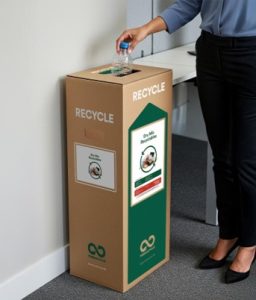
Solutions like TerraCycle’s Dry Mix Recyclables – Zero Waste Box™ address these operational pain points by providing an all-in-one, contract-free system. This turnkey option package delivery, processing, and recycling costs upfront, allowing businesses to collect all mandated dry recyclable materials in a single, space-efficient container. By removing the need for bin hire fees and rigid collection schedules, smaller businesses can manage compliance entirely on their own timeline, shipping the consolidated recyclables back only when the container is full.
Action plan: Three steps to take in 2026
SMEs should utilise the remaining months of the grace period to transition smoothly. Decision-makers can take three immediate steps to prepare:
- Audit your waste streams: Identify exactly what your business discards and in what quantities. Understanding whether your primary output is paper, packaging, or glass allows you to plan your internal infrastructure accurately.
- Trial separation early: Implement basic sorting protocols now. This helps gauge actual recycling volumes, tests staff compliance, and turns a sudden regulatory mandate into an easy, everyday workplace habit.
- Optimise bin placement: Evaluate your physical layout. Replace oversized, inefficient general waste bins with streamlined, consolidated recycling systems that fit under desks or in tight corners, preserving valuable operational space.
The upcoming shift towards Simpler Recycling does not need to disrupt the UK’s small business community. By auditing waste habits now and adopting flexible, space-conscious recycling models, SMEs can safeguard their bottom line, protect the environment, and face the 2027 deadline with confidence.
To explore flexible compliance options tailored for micro-businesses, learn more about the Dry Mix Recyclables – Zero Waste Box™.
For specialised recycling solutions covering complex waste streams (from coffee capsules to PPE) visit the full range of TerraCycle Zero Waste Boxes.
Use discount code SME25 at checkout for an exclusive 25% off your Dry Mix Zero Waste Box.
*Terms for the discount SME25: Code valid only on the Dry Mix – Zero Waste Box™. Valid online only until September 30th, 2026, 11:59 BST. Offer cannot be combined with any other offer/promotion.
This is sponsored content by TerraCycle.