

If you are running a trades company in the UK today, your biggest hurdle probably isn’t a lack of demand. It is the empty van. We are operating in a labour market that feels permanently squeezed, yet many firms are still stuck in a recruitment cycle targeting the same narrow demographic they were looking for 20 years ago.
Across the sector, we see the impact of this every day. When you limit your search to the usual suspects, you are inadvertently capping your own growth.
The trades are seeing a large portion of the traditional workforce reach retirement age, taking decades of experience with them. This ageing out is creating a gap that old recruitment methods simply cannot fill.
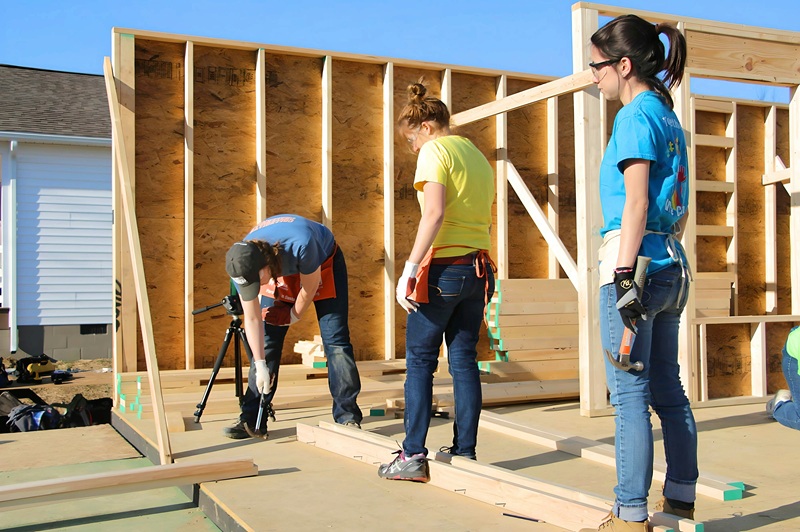
However, where the traditional pool is shrinking, a new one is growing. We are seeing a clear increase in women turning to the trades, driven by the desire for stable, future-proof and autonomous careers. These aren’t just school-leavers; they are often career changers who bring a level of maturity and professional experience that the industry needs. We’re working with women who’ve moved careers from working venture capital and teaching because the trades are more appealing.
Relying on the industry’s outdated, male-dominated hiring pool is also becoming increasingly expensive. In a persistent skills shortage, these candidates are the most sought-after, leading to wage inflation and bidding wars that many companies cannot win.
But the real cost is the bottleneck. Every time a project is delayed because you can’t get the staff that is direct revenue lost. Diverse hiring isn’t just about social engineering; it is a practical solution to a capacity problem. It helps ensure you have a resilient team ready to take on work as it comes in, rather than waiting for a shrinking pool of traditional candidates to become available.
As automation and AI change the nature of white-collar work, we are seeing a surge in professionals retraining. These career changers bring years of experience in project management, customer service and digital literacy.
This is creating a two-tier workforce. On one side are forward-thinking companies snapping up these new recruits, many of whom are women, and benefiting from their transferable skills. On the other are companies that struggle to attract this new talent because their traditional recruitment channels simply do not reach them. These individuals are not looking for work through word-of-mouth in old-school networks; they are looking for more professionalised routes into the industry.
For SMEs, this means rethinking where and how they find talent, whether that is through new training pathways, partnerships or alternative recruitment channels.
The reality is that many of the most adaptable, skilled tradeswomen are already moving away from traditional recruitment and towards platforms and networks that offer a more professional environment and sense of community.
There is also a huge, underserved market of homeowners, including single women and the elderly, who specifically ask for tradeswomen for added peace of mind. By broadening how they fill skills gaps, businesses are not just filling vacancies; they are also better positioned to reach a customer base that is often overlooked by the industry.
Anna Moynihan is founder of TaskHer