
The UK’s inflation rate dropped to 3% in January, down fron 3.4% in December.
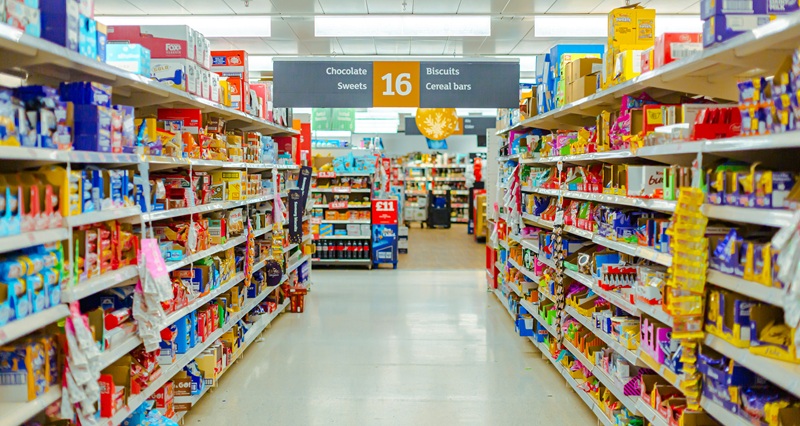
The Office of National Statistics (ONS) said the fall was driven by lower prices for petrol, airfares, bread and cereals.
ONS chief economist Grant Fitzner said:
“Inflation fell markedly in January to its lowest annual rate since March last year, driven partly by a decrease in petrol prices.
“Airfares were another downward driver this month with prices dropping back following the increase in December. Lower food prices also helped push the rate down, particularly for bread and cereals and meat. These were partially offset by the cost of hotel stays and takeaways.
“The cost of raw materials for businesses fell over the past year, driven by lower crude oil prices, while the increase in the cost of goods leaving factories slowed.”

The decrease in inflation was forecast by economists but the rate is still below the Bank of England’s 2% target.
Reaction to the inflation rate falling to 3%
Stuart Morrison, research manager, British Chambers of Commerce said:
“A further easing of inflation, to 3% in January, will be cautiously welcomed by businesses. Firms will be hoping it strengthens the case for another interest rate cut by the Bank of England soon.
“CPI may be at its lowest level for nearly a year, but that headline figure is only part of the story. Inflation concerns among businesses persist, with 56% of firms citing it as a worry in our latest survey. Businesses are facing huge price pressures which are squeezing confidence, stalling investment and holding back recruitment.
“Next month’s Spring Statement will provide businesses with an economic outlook from the OBR and government. But firms are clear, easing inflation must be matched by action to cut the cost of doing business. That must include business rates reform, reducing energy costs and making it cheaper to export. Only then, will businesses be able to fully turbocharge economic growth.”
Anna Leach, chief economist, Institute of Directors, said:
“This expected decline in inflation marks the start of a more benign inflationary trend for the UK. Today’s figures bring CPI back into the Bank of England’s target range for the first time in 10 months. With the unemployment rate reaching 5.2%, which is the highest since 2015 when you exclude the pandemic, today’s inflation number should help incline minds at the Bank of England towards a rate cut in March.
“Inflation is set to fall rapidly in the coming months, stabilising costs for households and supporting real household incomes. This, alongside further falls in interest rates, may finally shift households into spending, giving the economy some much needed support. However, the outlook for the labour market is more concerning. Rising unemployment – particularly among young people – may yet keep the breaks on the economy.”
George Lagarias, chief economist, Forvis Mazars, said:
“Gravity is finally settling in. An economy of sluggish growth, climbing unemployment and softer wage growth, in the eye of a global trade disruption, has absolutely zero reason to be consistently inflationary. The Bank of England still waited for proof and now it has it. We would expect to see faster rate cuts going forward from this point on.”
Neil Rudge, chief banking officer for commercial, Shawbrook, said:
“Inflation’s retreat towards 3% reinforces expectations that we are on track to reach the Bank of England’s 2% target in the coming months. For SMEs, this isn’t simply a positive headline – it marks a potential turning point from short term cost management back towards structured growth planning.
“Over the past two years, many businesses have had to prioritise resilience, managing input cost volatility and protecting margins. Greater price stability gives leadership teams the confidence to plan further ahead, revisit deferred investment decisions and model expansion with a clearer view of future costs. It also gives the Monetary Policy Committee more room to consider how quickly borrowing conditions can normalise.
“However, many businesses remain in a holding pattern. They are waiting for the combination of sustained inflation stability and a tangible reduction in borrowing costs before fully committing to major investment decisions. That blend of predictability and affordability will be key to unlocking the next phase of growth. The businesses that are best placed to capitalise on this backdrop will be those with a clear strategy and access to funding structures that match their growth profile. In a more stable environment, the quality and flexibility of financial support becomes just as important as the headline cost of capital.
“If we continue to see inflation trend downward and rates begin to ease in a measured way, 2026 has the potential to mark the start of a more confident and sustained investment cycle for UK growth businesses.”